Four-drive RAID NAS? Use a DIY PCIe expansion card!
2026-09-22 18:00:00 | pcba-mkr
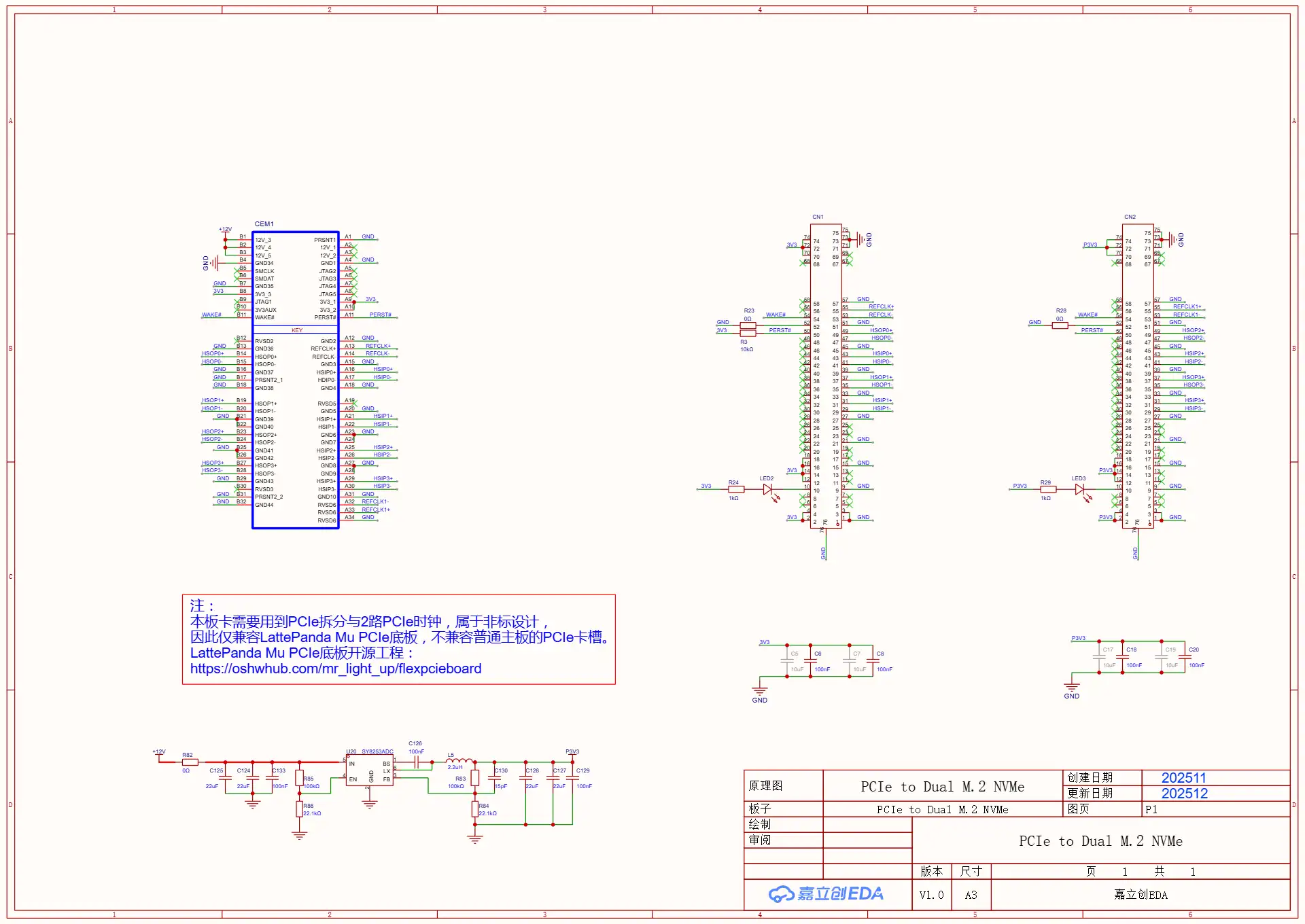
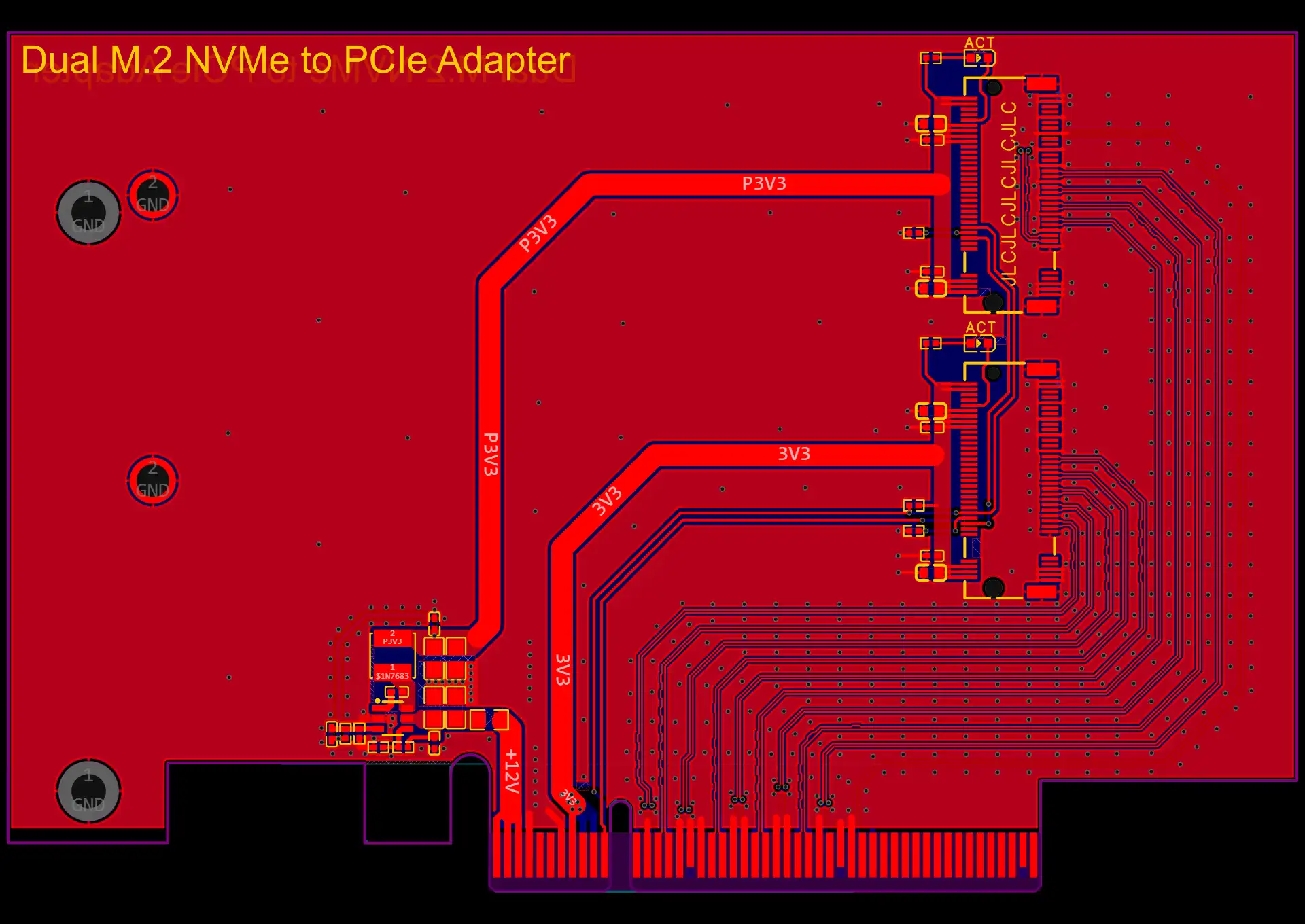
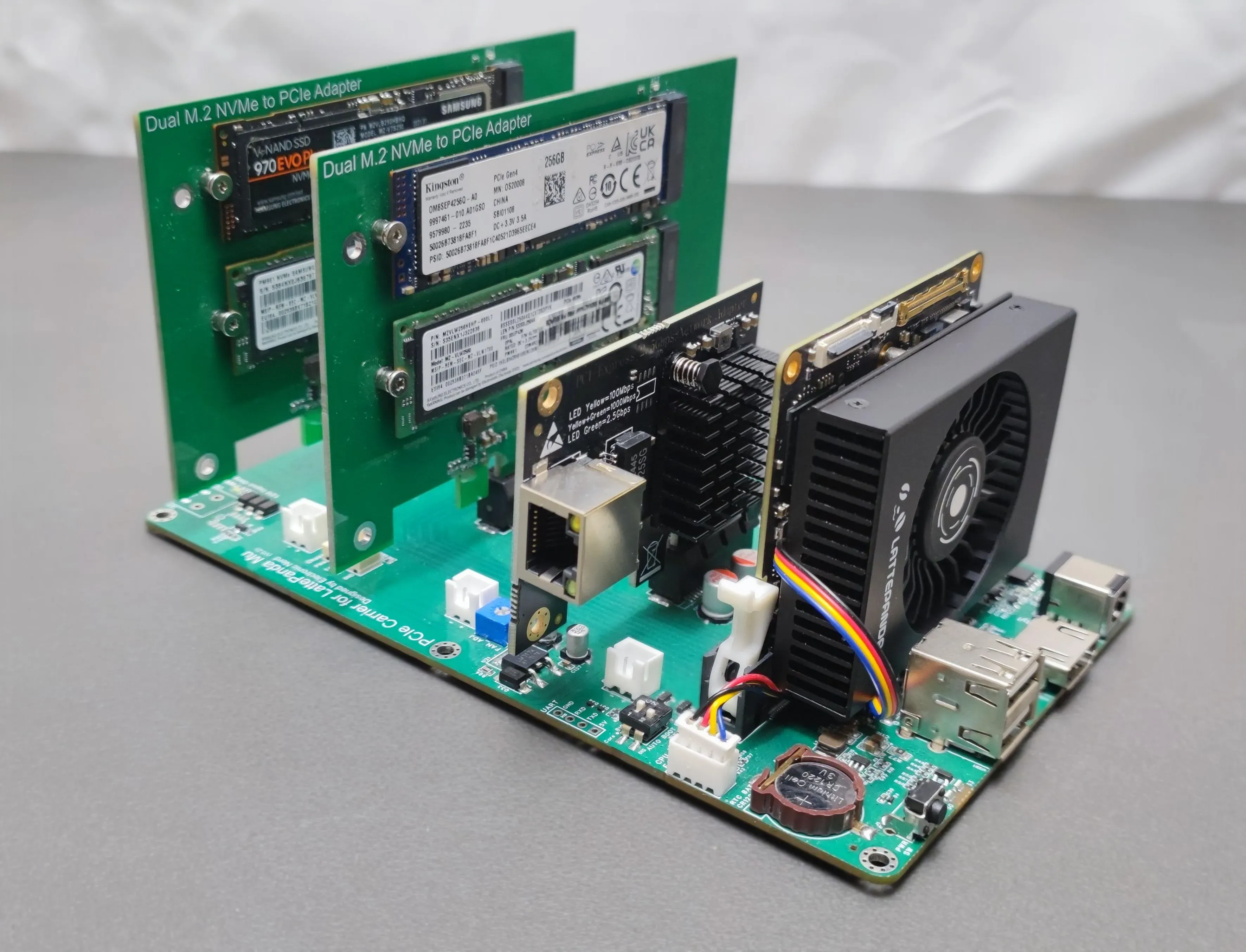
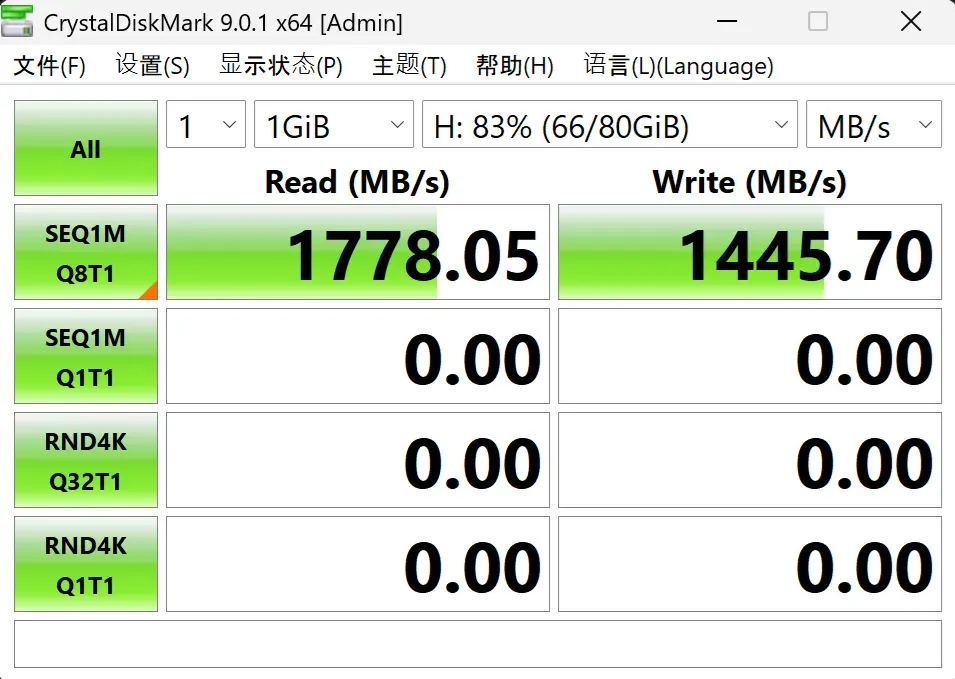
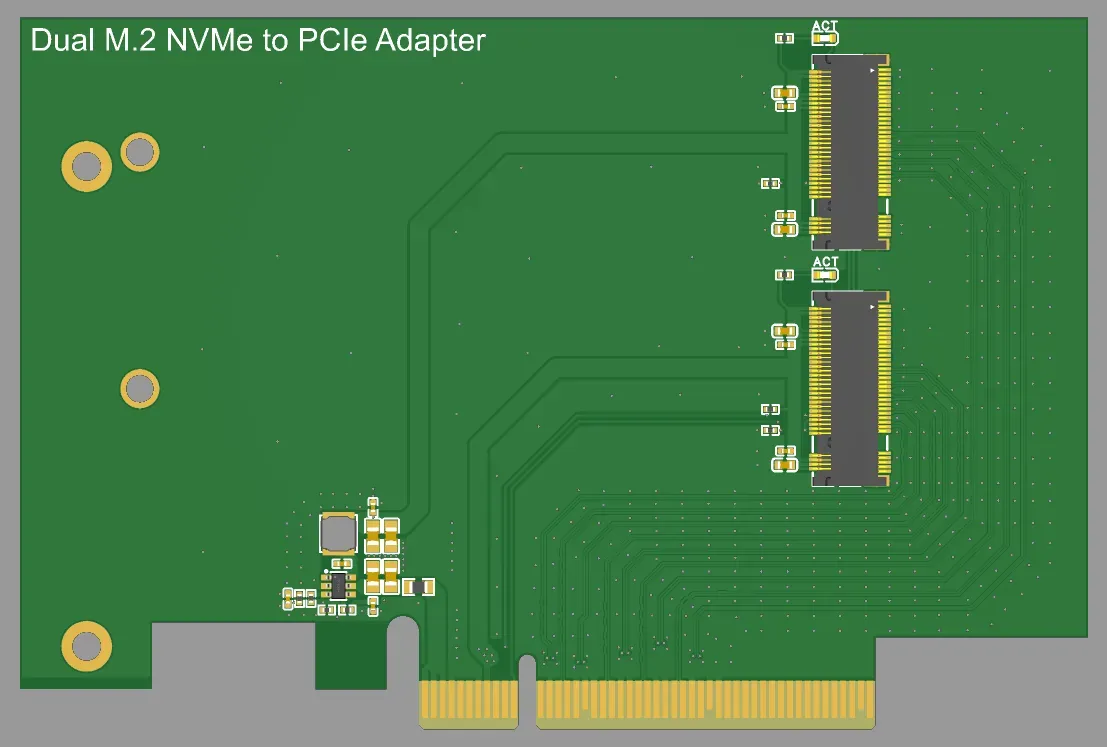
Its function is very simple: it splits a PCIe x4 slot into two M.2 M Key interfaces, with each interface assigned to PCIe x2. This means that two NVMe SSDs can be connected to one PCIe x4 slot!
In terms of hardware design, there are no expensive chips or 2-layer boards, so the design is simple and the cost is also low.
Working principle
The LattePanda Mu has 5 PCIe clocks and 9 PCIe channels, while the PCIe baseboard I designed provides 3 PCIe slots. By modifying the BIOS firmware, the original x4 channels are split into two independent PCIe x2 groups.
The biggest challenge in splitting PCIe is the insufficient clock signal (REFCLK).
Conventional design: One slot corresponds to one set of clocks.
My design: During the design of the baseboard, I embedded "hidden features" to connect the second PCIe clock signal to the A32 and A33 pins originally defined as Reserved (RSVD) in the PCIe slot.
With this adapter card, you can simultaneously use two sets of clocks, allowing both SSDs to work stably.
Attachment: Signal Distribution Table
PCIe x1 slot PCIe x8 slot (the middle one) PCIe x8 slot (the outermost)
Data channels HSIO6 HSIO8, HSIO9, HSIO10, HSIO11 HSIO0, HSIO1, HSIO2, HSIO3
Clock channels REFCLK4 REFCLK1, REFCLK2 REFCLK3, REFCLK0
Tip: Using the PCIe x8 slot is purely for increased stability.