
Green PCB Manufacturing: Sustainable and Lead-Free Solutions
2026-10-14 18:00:00 | pcba-mkr
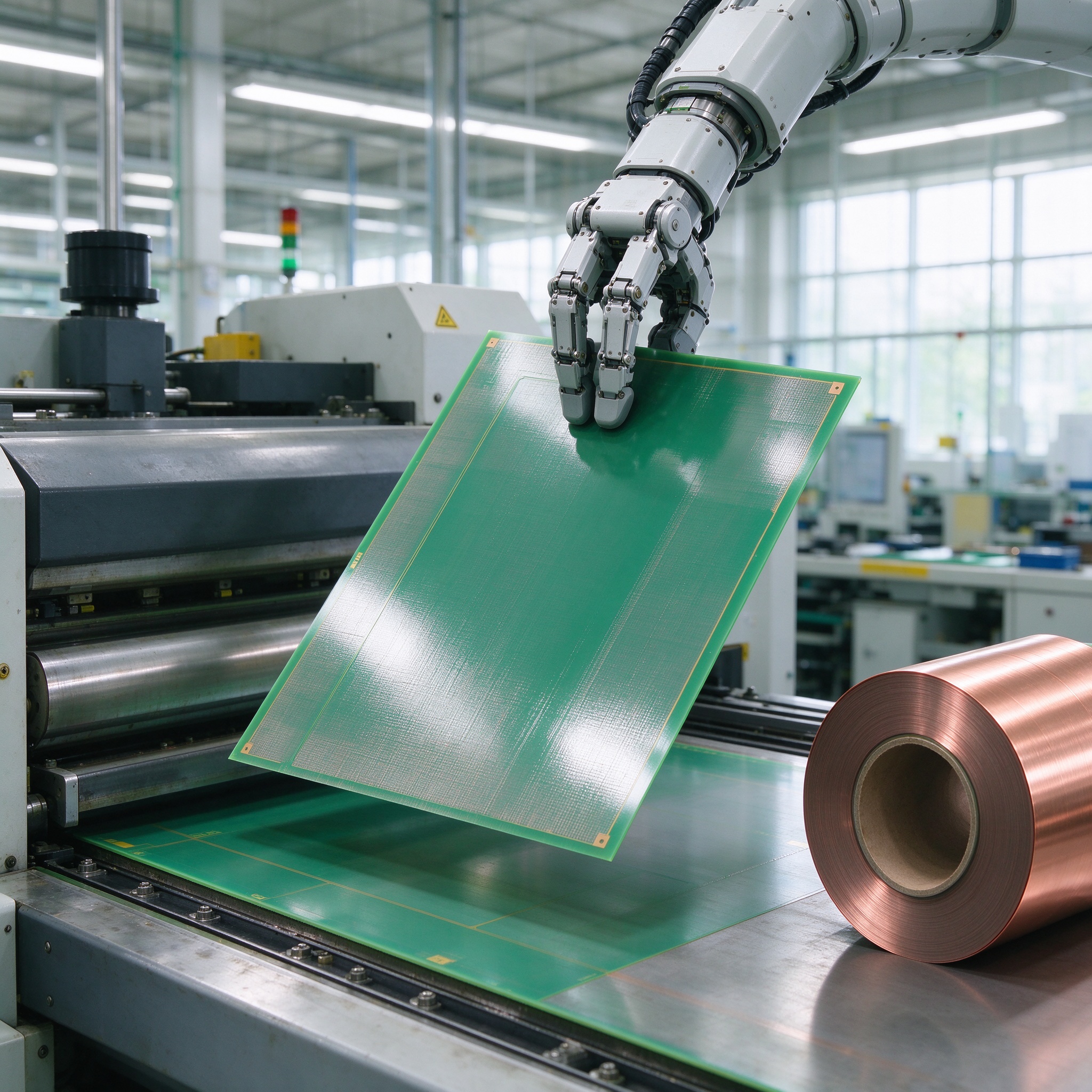
Green PCB manufacturing is becoming a core requirement as electronics buyers, regulators, and consumers demand more sustainable production. From lead-free solder and halogen-free laminates to energy-efficient fabrication and cleaner PCBA assembly, the circuit board industry is reducing its environmental footprint without compromising performance.
Why Green PCB Matters
Electronics are responsible for a growing share of global e-waste. Sustainable circuit board production helps companies meet RoHS and REACH compliance, satisfy ESG reporting requirements, and appeal to environmentally conscious customers. For contract manufacturers and PCBA providers, going green is both a regulatory necessity and a competitive advantage.
Lead-Free and Halogen-Free Materials
1. Lead-Free Solder: RoHS-compliant assembly uses SAC alloys (tin-silver-copper) instead of leaded solder, improving safety and meeting EU and global regulations.
2. Halogen-Free Laminates: Halogen-free FR-4 reduces toxic emissions during burning and disposal while maintaining good electrical and thermal performance.
3. Low-Loss and Recyclable Substrates: New materials improve recyclability and reduce energy use during board fabrication.
Cleaner Fabrication and Assembly
Green PCB plants adopt closed-loop wastewater treatment, chemical management, and energy-saving processes. On the assembly side, lead-free reflow, water-based or no-clean flux, and efficient waste sorting reduce environmental impact while keeping PCBA quality high.
Sustainable Packaging and Recycling
Eco-friendly packaging, return programs, and end-of-life recycling help complete the sustainability loop. Many manufacturers now offer take-back schemes and design-for-recyclability guidance to their customers.
How to Choose a Green PCBA Partner
Look for ISO 14001 environmental management certification, RoHS and REACH documentation, transparent material sourcing, and a demonstrated commitment to reducing waste and energy. A responsible PCBA partner will document compliance and continuously improve its environmental performance.
Conclusion
Green PCB manufacturing aligns regulatory compliance with business growth. By choosing lead-free, halogen-free, and sustainably produced circuit boards, electronics companies can protect the environment and strengthen their brand in the global market.
