
STM32: The Workhorse Microcontroller Powering Modern Embedded Design
2026-10-19 19:00:00 | pcba-mkr
STM32 is the world's most widely used 32-bit microcontroller family, built around ARM Cortex-M cores from Cortex-M0 to Cortex-M7. From hobbyist boards to industrial automation, STM32 microcontrollers are everywhere. This article explains why STM32 dominates embedded design, which series to choose, and how it fits into modern PCB development.
Why STM32 Is So Popular
The STM32 ecosystem is unmatched. STM32CubeIDE, the HAL (Hardware Abstraction Layer) library, and a vast community make development fast and reliable. STM32 devices offer long-term availability for 10 to 15 years, which is critical for industrial products with long lifecycles.
Key STM32 Series at a Glance
STM32F103 is the classic mainstream MCU with a Cortex-M3 core, up to 72 MHz, and rich peripherals like USART, SPI, I2C, and ADC. STM32F4 adds a Cortex-M4 with FPU and DSP instructions, ideal for real-time signal processing and motor control. The newer STM32C0 family brings entry-level 32-bit performance with Cortex-M0+ cores at a very low cost, targeting the 8-bit replacement market.
STM32 in IoT and PCB Design
For connected products, STM32 offers wireless MCUs like STM32WB with integrated Wi-Fi and BLE. On the hardware side, STM32 makes PCB design straightforward: most devices come in LQFP and QFN packages with generous pin spacing for easy soldering in SMT assembly. The STM32CubeMX configurator generates initialization code, speeding up firmware and hardware bring-up dramatically.
Conclusion
For engineers designing new embedded products in 2026, STM32 remains the safest, most flexible choice. Com
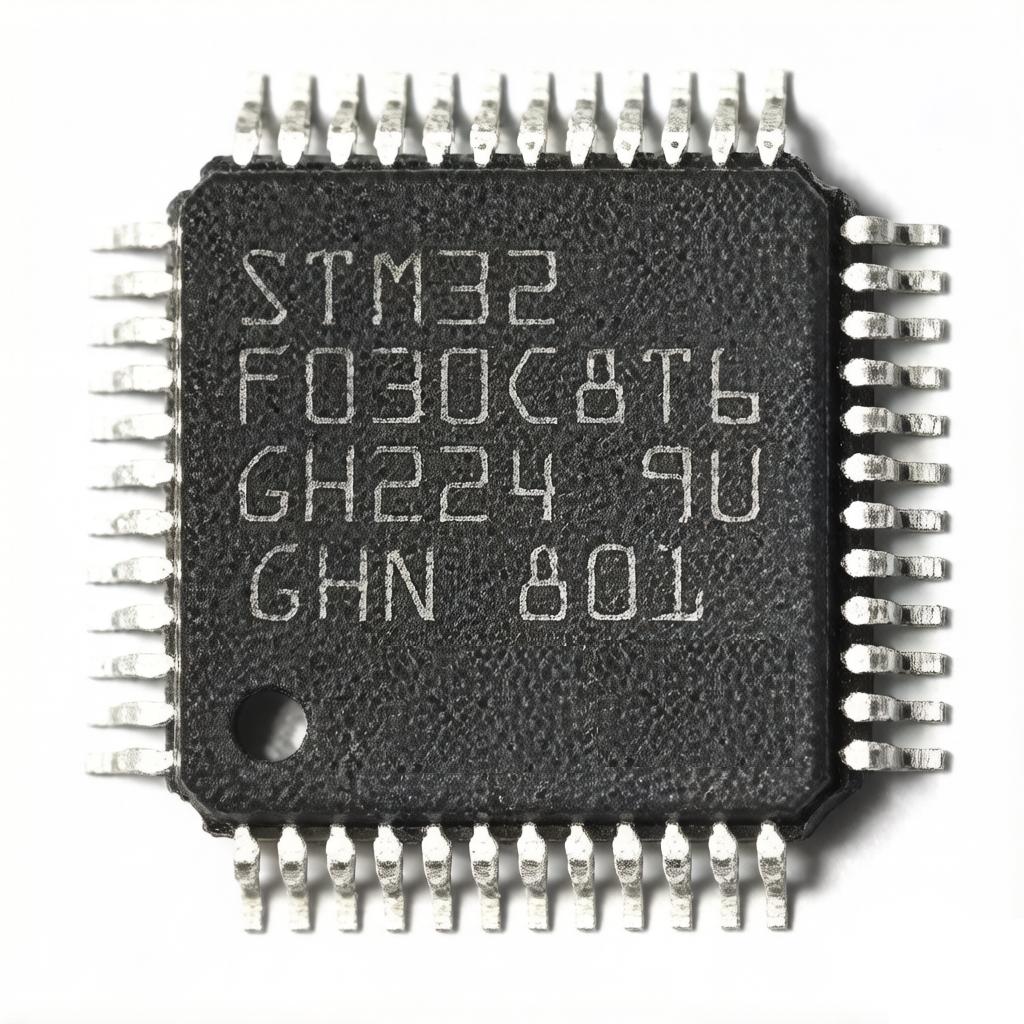
bined with robust PCB layout guidelines and a rich toolchain, STM32 lets you ship reliable products faster.
